A home-care website that takes pressure off the phone.
A good website for home care and community nursing helps two groups at once. The daughter looking for help for her father sees in plain language what care is available, which neighbourhood team covers his street and what the first step is. The coordinator receives that first step complete, rather than half a story on the voicemail.
Zorgvorm builds websites like this, with the request route, the question assistant and the vacancies page as parts that actually work. Below you will find the problems we hear most often, a fictional example you can try yourself, and what we check first on a home-care website.
What we hear most often.
Three problems that keep coming back, in the words of the people who deal with them.
Care requests arrive by phone, and incomplete
“I call back three times before I know which district it is and who the GP is.”
Family carers often phone between their own working hours. They do not know which details you need, or whether it is community nursing, personal care or help in the home. The community nurse who carries out the assessment ends up chasing details before the real conversation can start.
The same questions about funding and waiting times
“Is this covered by health insurance or do I go to the council? Almost everyone asks that.”
Community nursing under the Health Insurance Act, help in the home through the municipal Wmo, long-term care through the Wlz: for a family it is a maze. When the explanation is scattered across PDFs, the same question lands with the planners or the front office every single day.
Recruiting takes more effort than it should
“A care assistant wants to apply on her phone, not write a CV in Word first.”
Neighbourhood teams depend on nurses and care assistants the organisation has to find itself. A vacancies page with a long form, a mandatory CV and no sense of the team or the area loses candidates who glance at it on their bike between two clients.
Try it yourself.
A complete example website for a fictional organisation, with a visitor side and a team side.
 Wijkzorg VlietstadHome care that starts around the corner.
Wijkzorg Vlietstad is a fictional home-care organisation in the invented town of Vlietstad. The website itself is finished: you can request care, ask a question and apply for a job, then switch to the coordinator’s view to see what arrived.
As a visitor
- Request care in four stepsThe request picks the neighbourhood team from the street and sends anything urgent straight to the phone.
- Ask the question assistantAnswers come only from approved texts, with a source number. If the answer is not there, the question goes to the team.
- Apply in two minutesA short application without a mandatory CV, per vacancy and neighbourhood team.
Every request arrives summarised, with a call script, the details still missing and three suggested intake times. Unanswered questions from the assistant and new applications each have their own list.
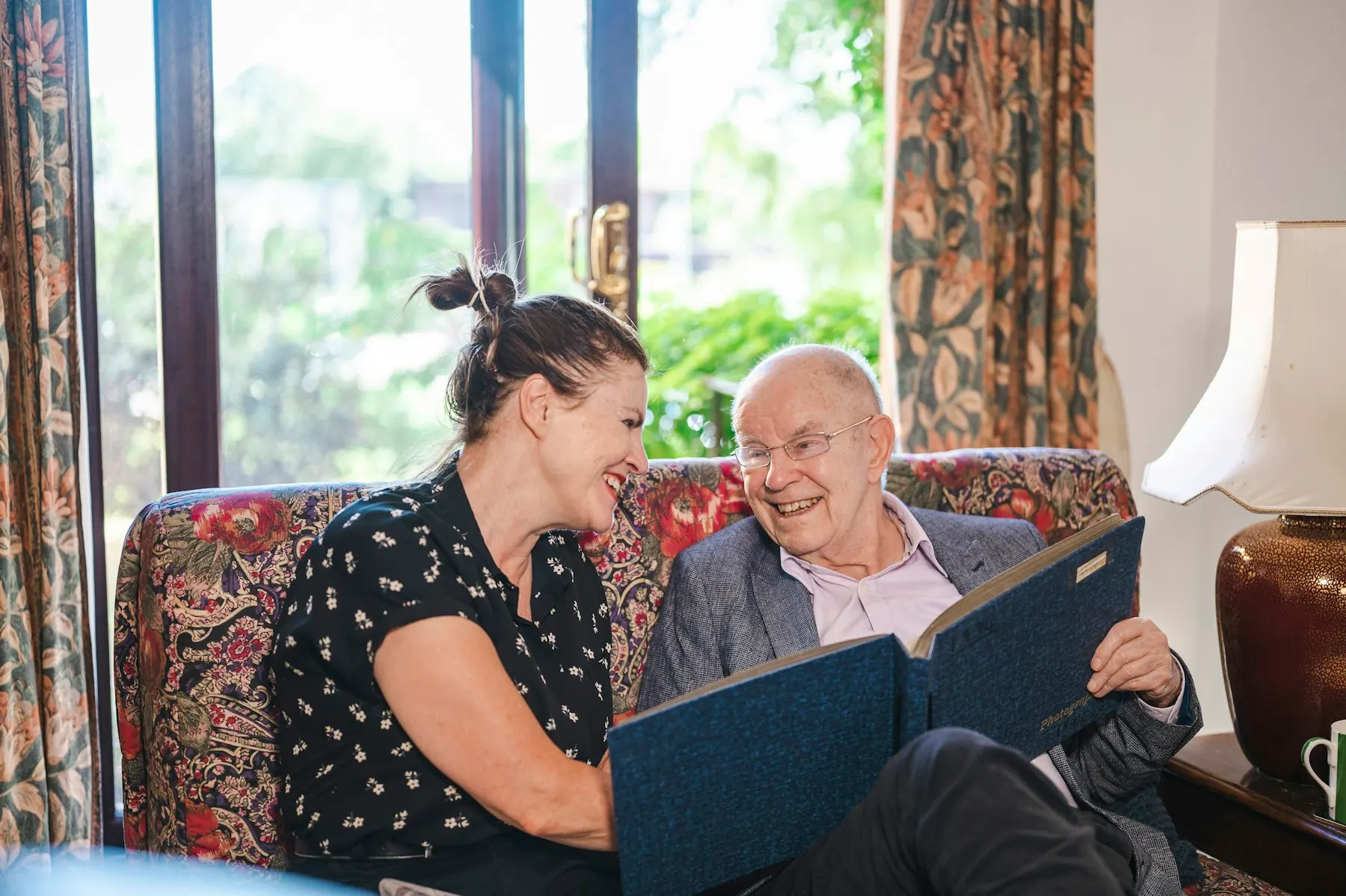
See the team sideRead how Wijkzorg Vlietstad is put together. The organisation is fictional and the photos are stock; the way it works is real.
What we check first.
Before we design anything, we go through your current website for the points that are often missed in your sector. With the source alongside.
Prices, personal contributions and waiting times made clear
Since 1 September 2024 the NZa regulation TH/NR-035 asks every care provider to inform clients in advance about prices, personal contributions and whether there is a contract with their insurer, and to make waiting times clear. The website is a natural place for this, alongside the personal conversation. We check whether a family can find that information before care starts.
Complaints procedure and disputes body easy to find
The Wkkgz asks for a written, accessible complaints procedure, a response within six weeks (extendable by at most four) and membership of a disputes body. The law asks providers to inform clients about this in a suitable way; a findable web page is the most common way to do it. We check whether that page exists and whether the complaints officer can be reached without opening a PDF first.
BIG numbers for nurses on the team page
Nurse is a protected title under the BIG Act. Anyone who gives their name professionally, including on their employer’s website, must state their BIG registration number with it. On neighbourhood team pages and in job adverts naming community nurses, that number is often missing. We go through those pages.
A request form that invites health information
A field such as reason for request invites a diagnosis or a medication list. Health data is special-category personal data under the GDPR, and the parties that host or forward the form need a data processing agreement. We look at which fields a first phone call really needs, and who handles the data along the way.
A question assistant that says it is AI
Since 2 August 2026, Article 50 of the AI Act applies: people must be told they are talking to an AI system, unless that is already obvious from the situation. If you use a chatbot or question assistant, we check that this is clearly stated and that there is a route to a member of staff.
This is an explanation, not legal advice. Whether a rule applies to your organisation depends on what you provide and how it is funded; we check that together.
How we go about it.
Start small, measure, and only then expand. The same four steps as in your plan.
Introduction
In 25 minutes with Sharif you explain where intake gets stuck: on the phone, in the follow-up calls before an assessment, or in finding staff. We look at your current website and request route together.
Working session and baseline
We spend a morning with the planner or coordinator who takes the requests. Together we agree one measure, such as how often a request needs a follow-up call.
Prototype
You receive a working request route or vacancies page with fictional data, on phone and computer, in your house style. Nothing is connected to your care record system or mailbox yet.
Test and decide
Coordinators and a few family carers try it out. With the agreed measure in hand, you decide whether we stop, adjust or roll it out across the organisation.
Questions we often get.
Can a request go straight into our care record system?
Sometimes. It is only possible if your care record system offers a suitable connection and your organisation grants access. We investigate that first, with the supplier. Until then the request arrives complete and well organised in a secure inbox, so nobody has to retype details from a phone note.
Can we have just the vacancies page built?
Yes. A careers page is often a good first step, because it sits apart from your care processes. We can build a short application route per neighbourhood team on your existing website, and look later at whether the request route should follow.
Does the website decide who receives care?
No. The website collects practical information and uses the address to pick the right neighbourhood team. The assessment is always made by the community nurse, and when something is urgent or unclear the route points to the phone.
Why are there no prices?
Because the scope differs for every organisation. After an introduction you receive a written quote, and nothing is invoiced until you have agreed to it.
Further reading.
Practical guides to the rules above, with sources. The guides are in Dutch.
Websites for other sectors.
Each sector has its own example and its own points to check.
- Websites for day care and care farmsFor day care, meeting centres and care farms
- Websites for physiotherapists and physiotherapy practicesFor physiotherapists, group practices and practices with more than one location
- Websites for mental health and psychology practicesFor independent psychologists, psychotherapists and group practices in mental health care
- Website for a dental practice: honest access and clear pricesFor dental practices, dental hygienists and oral care centres
- Website for maternity care: registration, planning and recruitmentFor maternity care organisations and agencies